Tag: sustainability
-

From Architecture to Machine Learning: Xinyue Wang on Making Early-Stage Energy Optimisation Practical
What if predicting building energy demand did not require long simulation runs, heavy workflows, or massive datasets? Xinyue Wang recently defended her PhD, “Leveraging Machine Learning to Improve Early-stage Building Energy Optimization.” Originally trained as an architect, her research sits at the intersection of building energy simulation and machine learning. Her work focuses on making…
-
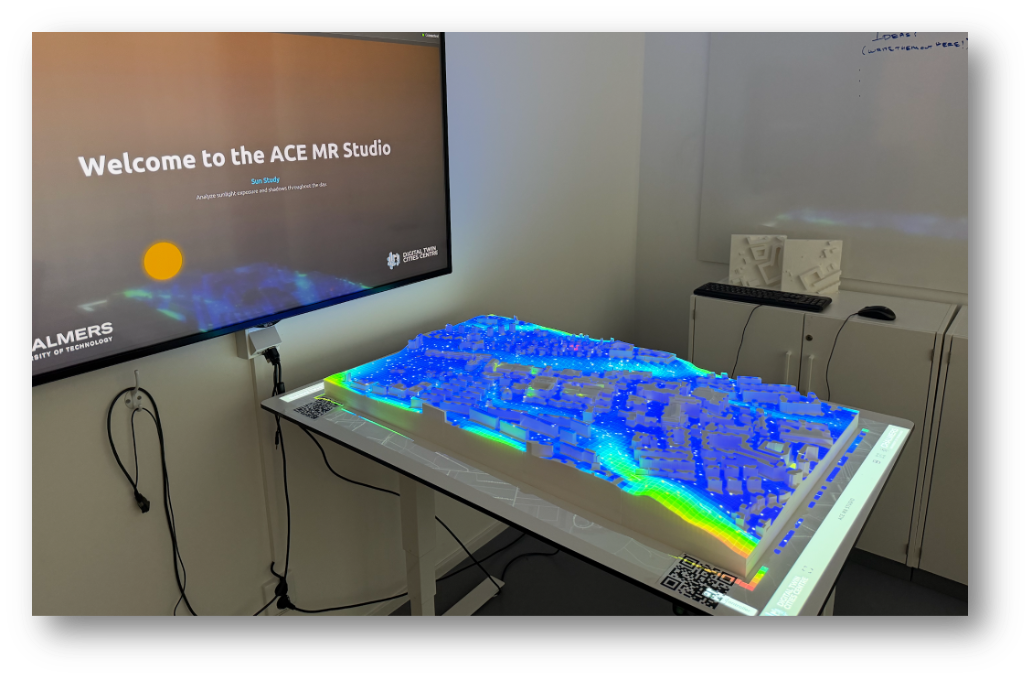
Creating the ACE Mixed Reality Studio
Complex urban simulations are often difficult to discuss collectively. Results live on individual screens, in reports, or PowerPoint presentations, making shared immersive interpretation challenging. The Research Area Sustainable Built Environments (SBE) at Chalmers developed the ACE Mixed Reality Studio to address this problem. The studio combines a physical model of the Chalmers Campus with Mixed…
-

Interview: Reduction Roadmaps and Climate Limit-Values in Construction
As the construction sector works to reduce its greenhouse gas emissions, one tool is rapidly gaining importance: limit-values that define how much climate impact new buildings are allowed to have. Across the Nordic countries, governments and industrial actors are developing their own versions of such limit-values, but they are doing so using very different methods. In their recent CISBAT…
-
Pragmatism in Practice – Interview with Sjouke Beemsterboer
Sjouke Beemsterboer discusses his PhD journey with us in this interview – research on life cycle assessment (LCA) in the Swedish building sector, and advice for future researchers. Sjouke shares his insights on balancing scientific credibility with practical utility, and the evolving landscape of sustainable building. Congratulations on your PhD! Could you briefly tell us what…
-
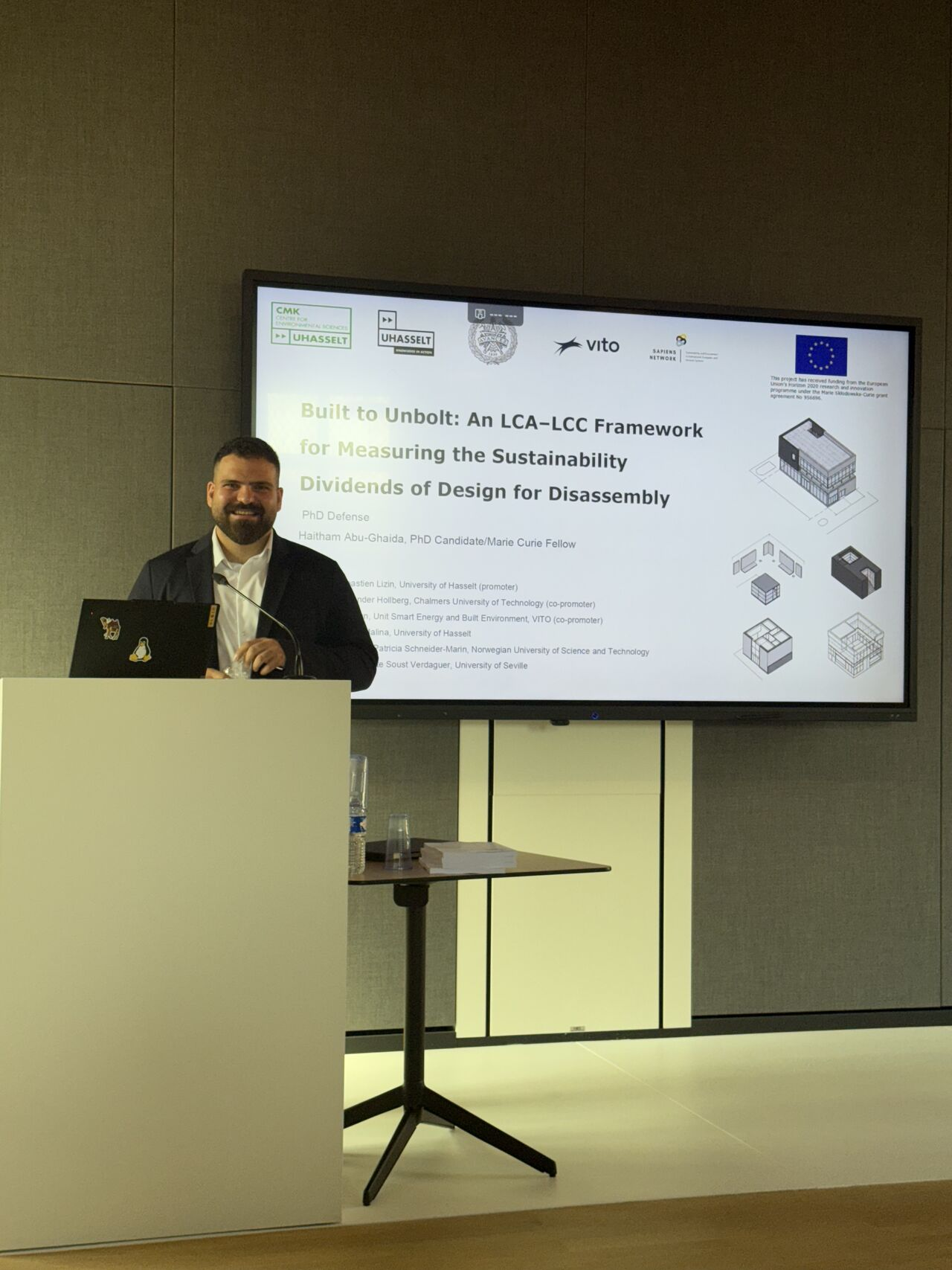
Interview with Haitham Abu Ghaida
This week we sat down with Haitham Abu Ghaida to talk about his research journey, key insights, and advice for students interested in sustainability and the built environment. Could you briefly tell us what your recent work is about, in your own words? Built to Unbolt develops a way to fairly measure the environmental and economic benefits…