
Project status: Ongoing

  • Future Urban Resource Centers

    Future Urban Resource Centers

    Project overview

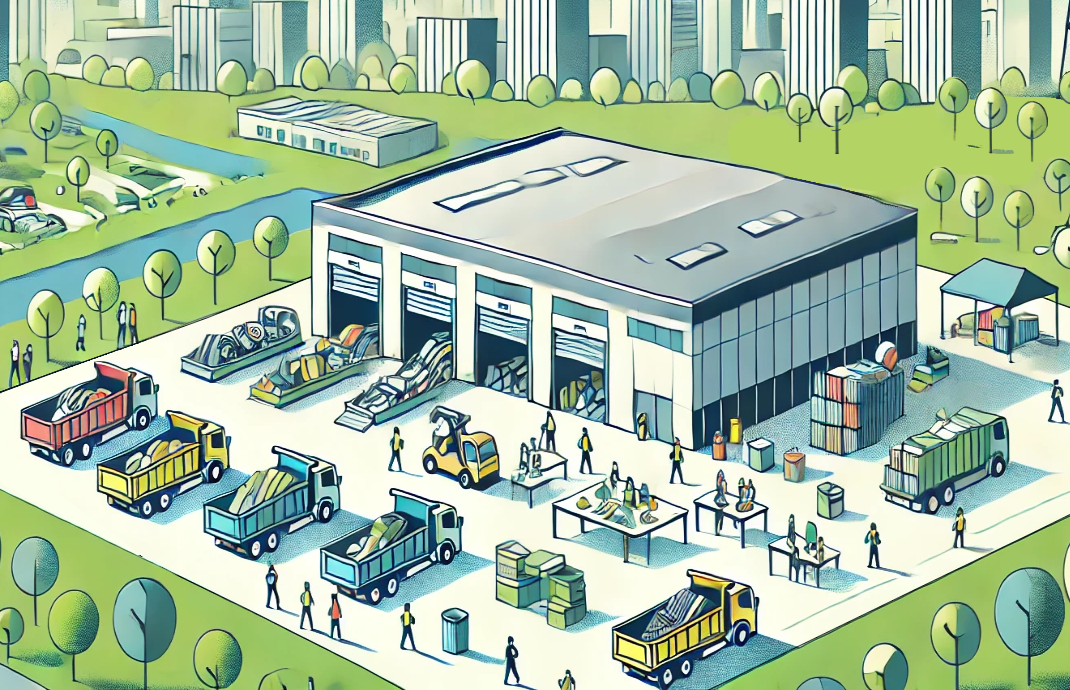
    The development of buildings is an immensely carbon- and resource-intensive process and circular economy strategies are key to decrease the environmental impacts of the construction industry. In developed economies, extensive volumes of construction materials are stocked in existing buildings and ought to be reclaimed. Still, reuse rates remain dramatically low. According to practitioners, facilities to store and redistribute reclaimed construction materials, i.e., Urban Resource Centers (URCs) are missing. Indeed, today, URCs are very few and decentralized. The organizational, logistical (e.g., transport related) and thus environmental implications of upscaling URCs remain unclear.

    This project aims to determine the extent to which wide-scale implementation of URCs could help decrease the construction industry’s environmental impact. The multi-method approach used in this project includes a dynamic Material Stock and Flow Analysis, a participative-spatial MCDA, and a parametric environmental assessment model integrating logistics considerations. By addressing this aim through such multi-method approach, the project develops – and tests on Gothenburg – a toolbox for municipalities and construction actors to engage with the topic of URCs and to create strategic knowledge to rethink their operation.
  • Improving plastic circularity in the construction sector

    Improving plastic circularity in the construction sector

    Project overview

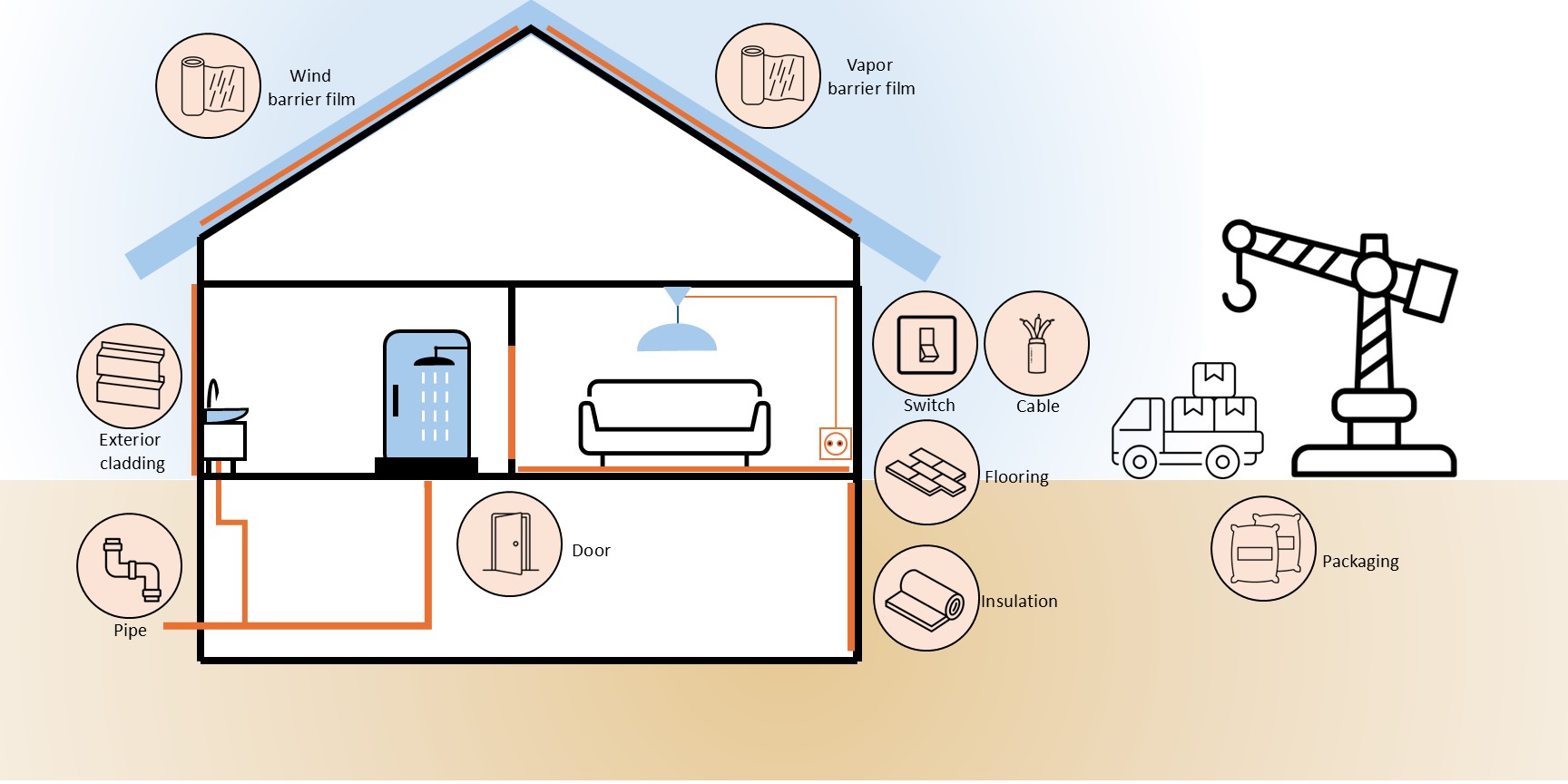
    The construction sector is a major consumer of materials, contributing significantly to climate change and generating vast amounts of waste. Despite plastics’ widespread presence in buildings—such as insulation, floor covering, and packaging for all kinds of construction products, they are often overlooked in these environmental discussions because they are lightweight and less visible.

    In fact, the construction industry is the world’s second-largest consumer of plastics. Most plastics are derived from fossil fuels, and their production, along with the incineration of plastic waste, releases substantial carbon dioxide emissions, exacerbating climate change. Improving plastic circularity in construction is therefore crucial. While the sector has made progress in using secondary plastics, its recycling rate remains at just 25%, lagging behind other plastic application sectors like packaging and agriculture. This low recycling rate is primarily due to a lack of incentives across the value chain.

    This project aims to improve plastic waste management at the construction sites to improve the plastic circularity, bringing the climate incentives into focus.