
-

Predicting the Wind – Janne’s Journey from ETH to Chalmers
This week, we talk with Janne, a visiting masters student at the Sustainable Built Environments research area at Chalmers University. Janne is currently completing his MSc in Integrated Building Systems at ETH Zürich and joined the team through an IDEA League research exchange. His project applies machine learning to predict urban wind patterns, and we sat…
-
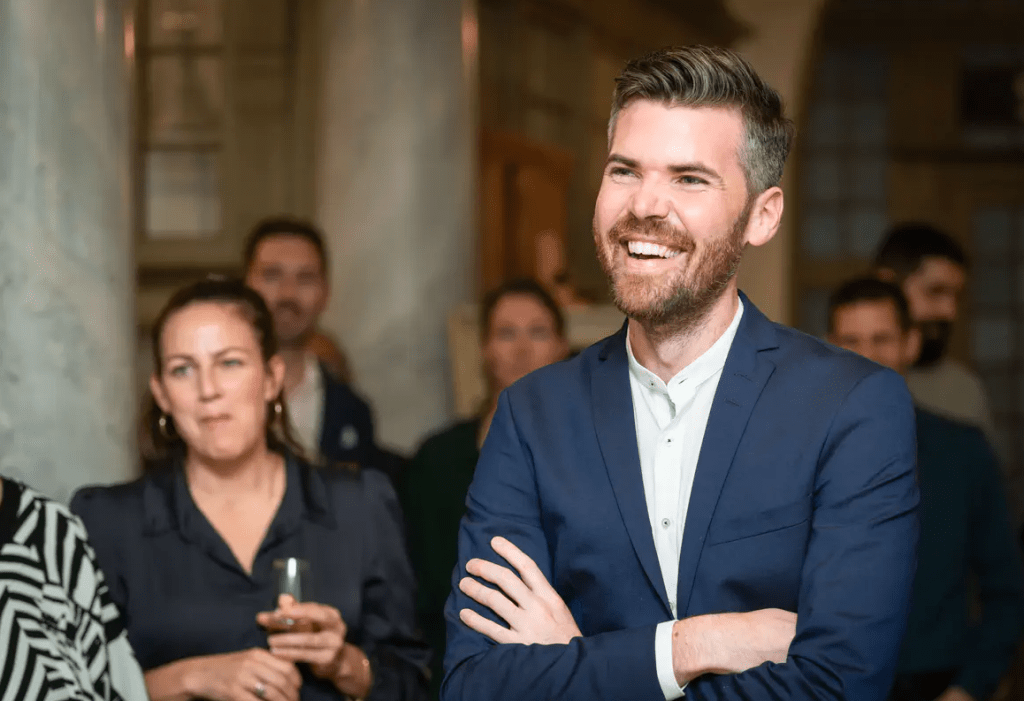
From Models to Market – A Conversation with Claudio on Building Stock Modeling and Decarbonization
This week, we talk with Claudio, an alumnus of the Sustainable Built Environments research area at Chalmers University, whose PhD and postdoc work on building stock modeling (BSM) laid the foundation for his current venture, SINOM. Claudio shares how his research at Chalmers on dynamic BSMs supports strategic energy planning and decarbonization, how that experience shaped…
-
Going full circle – A conversation with Maud Lanau on sustainability and the built environment
This week, we had the pleasure of speaking with Maud Lanau, a fellow SBE researcher whose work is shaping the future of sustainable built environments. Maud’s work at the intersection of industrial ecology and circular economy aims to reduce the environmental impact of buildings and infrastructure by focusing on material stocks, flows, and the life cycle…
-

Optimizing the Built Environment – Alexander Hollberg on LCA, Digital Twins, and Innovation
This week we sat down with Alexander Hollberg, the Research Area Leader for Sustainable Built Environments, to discuss his current projects, research achievements, and insights for early-career researchers. From leading projects in the Computational Design theme, Alexander shares his thoughts on how digital methods are shaping the future of sustainable architecture and urban planning. Could you…
-

Smashing Boundaries – How Sara & David Are Rethinking Energy and Materials
This week, we sat down with Sara Abouebeid and David Sindelar, two of our project assistants in the Sustainable Built Environments research group, to learn more about their work, research experiences, and perspectives on sustainability. From energy resilience to material stock mapping, Sara and David share their insights on the projects they are contributing to and what excites…
-

Interview with Shuang after her Licentiate
Congratulations to Shuang Wang on successfully defending her Licentiate thesis titled: “Characterizing the construction sector’s potential as secondary plastic provider.” Her research focuses on the circularity of plastics in the construction sector, a critical area for sustainability in the built environment. We sat down with Shuang to ask some questions after the licentiate defence. In this interview,…
-

Interview with Xinyue on her research visit at the University of Washington
We recently caught up with Xinyue about her research visit at the University of Washington. During her stay, she explored innovative machine learning methods to enhance building sustainability—not only in terms of energy efficiency but also in indoor air quality and urban energy dynamics. In this interview, Xinyue discusses her motivation for the visit, insights…
-
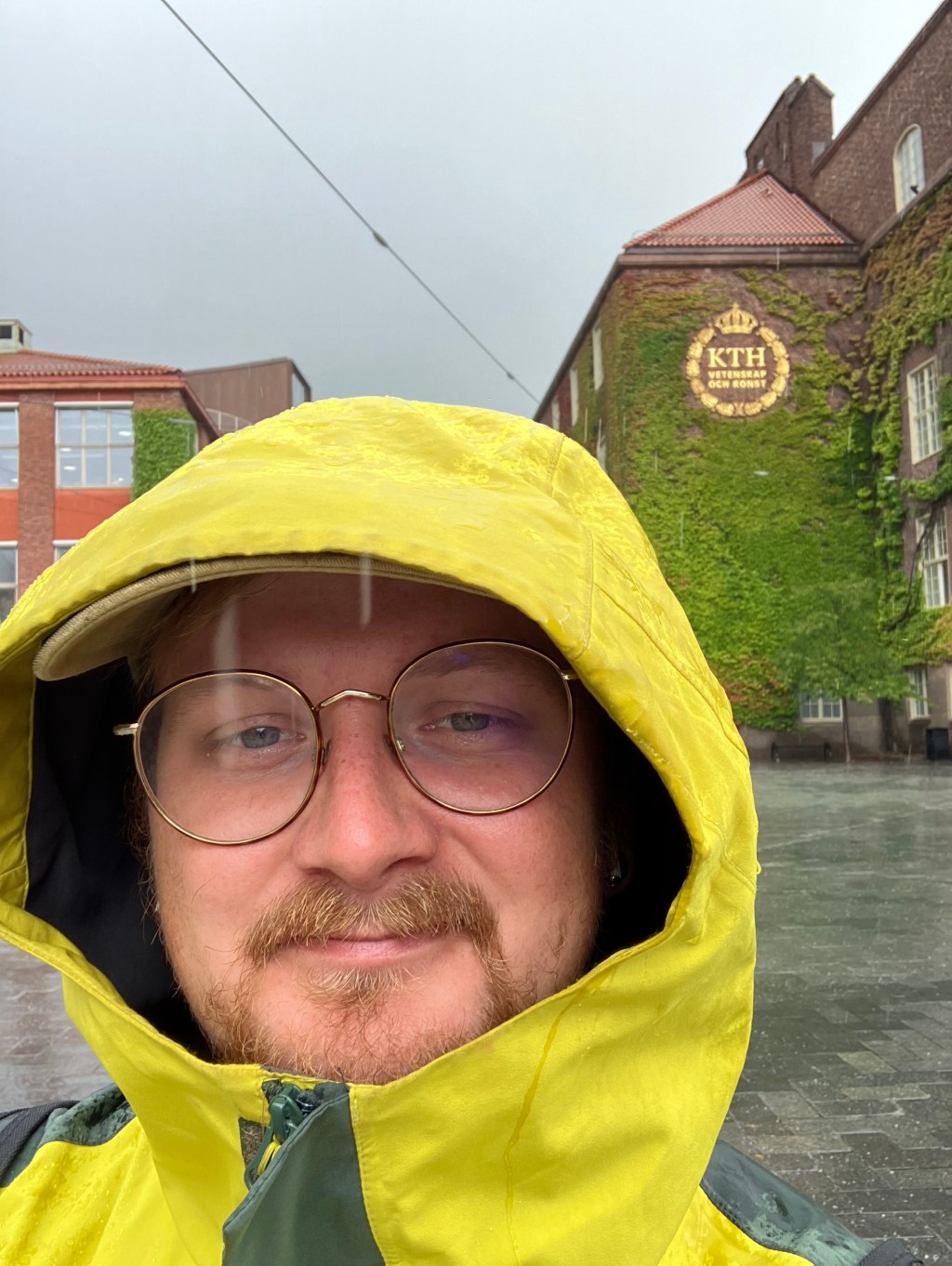
Interview with Toivo on his research visit at SEED, KTH
We sat down with Toivo to speak about his recent research visit at SEED, KTH. His work focuses on bridging the gap between building-level LCA approaches and the strategic environmental work needed at the city and regional levels. In this interview, Toivo shares what inspired his visit, key insights from collaborating with experts in environmental…
-

Sanjay has successfully defended his PhD
On 29th November, Sanjay Somanath successfully defended his PhD thesis, titled “Instruments of Inquiry for Urban Social Sustainability: Activity-Based Urban Accessibility Modelling in Neighbourhood Planning,”. In his thesis, Sanjay explored questions such as, “How can urban practitioners incorporate residents’ perspectives into neighbourhood planning?” and “How can computational methods help operationalise urban social sustainability?” through the lens of activity-based urban accessibility…
-

Interview with Sanjay before his PhD Defence
On 15th November, Sanjay Somanath was interviewed by Catharina Björk about his research and PhD life. Sanjay is set to defend his PhD thesis, titled “Instruments of Inquiry for Urban Social Sustainability: Activity-Based Urban Accessibility Modelling in Neighbourhood Planning,” on 29th November. In his thesis, Sanjay explores questions such as, “How can urban practitioners incorporate residents’ perspectives into neighbourhood planning?” and “How…
 Sustainable Built Environments